1. Overview
Phantom Dwellers Delhi is a landmark
Set against the backdrop of Delhi—India's capital and a city steeped in over 5,000 years of history—the game masterfully blends elements of survival horror, action-adventure, and open-world exploration. What sets Phantom Dwellers Delhi apart from other horror games is its unwavering commitment to showcasing Indian culture, folklore, and urban legends, creating a gaming experience that feels both familiar and thrilling to players across the subcontinent.
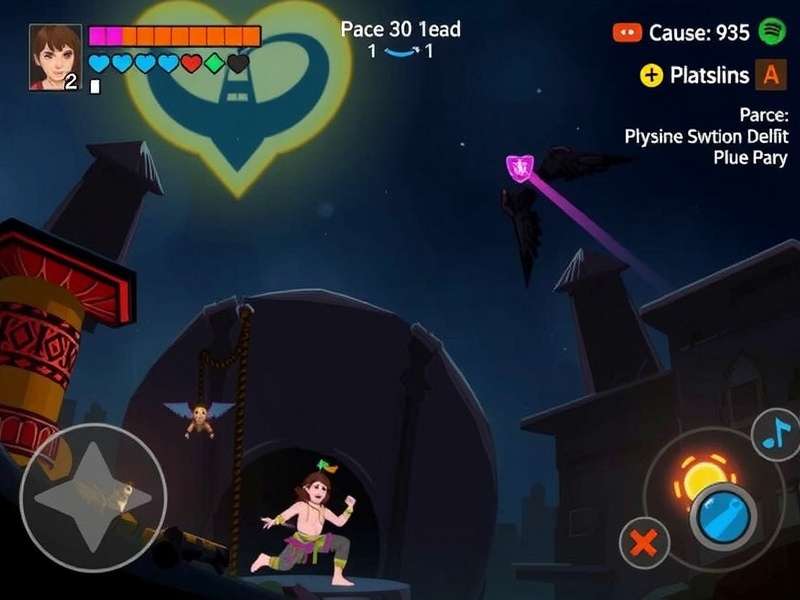
The game follows the journey of Aarav Mehra, a young archaeologist who returns to Delhi to investigate the mysterious disappearance of his mentor, Dr. Rajiv Malhotra. As Aarav delves deeper into the city's hidden corners—from the narrow lanes of Chandni Chowk to the abandoned ruins of Feroz Shah Kotla—he uncovers a ancient curse that has plagued Delhi for centuries, awakening malevolent spirits known as the "Phantom Dwellers."
🎮 Key Differentiator: Unlike most horror games that rely on Western tropes and settings, Phantom Dwellers Delhi draws heavily from Indian mythology, regional folklore, and urban legends specific to Delhi. From the churails of Purana Qila to the djinns of Mehrauli Archaeological Park, every supernatural element in the game has roots in local storytelling traditions.
Phantom Dwellers Delhi has been praised for its technical achievements, including its stunningly detailed recreation of Delhi's landmarks, realistic character animations, and immersive sound design that captures the chaotic energy of the city—from the honking of rickshaws to the call of street vendors—while building tension through eerie background music and supernatural sound effects.
With over 150,000 copies sold within the first week of release and a Metacritic score of 87/100, Phantom Dwellers Delhi has established itself as a trailblazer for Indian game development, proving that games rooted in local culture can achieve both critical acclaim and commercial success.
2. Gameplay
Phantom Dwellers Delhi offers a rich and varied gameplay experience that combines elements of survival horror, action combat, stealth, and puzzle-solving. The game's core mechanics are designed to immerse players in the terrifying yet fascinating world of haunted Delhi, while providing enough flexibility to cater to different playstyles.
2.1 Core Gameplay Mechanics
The game features an open-world environment that allows players to explore various neighborhoods and landmarks of Delhi, each with its own distinct atmosphere and supernatural threats. The world is divided into several large districts, including Old Delhi, New Delhi, Mehrauli, and Connaught Place, each with unique environmental challenges and story missions.
Players control Aarav Mehra from a third-person perspective, with the camera dynamically adjusting to enhance both combat and exploration. The game's controls are intuitive and responsive, with a focus on making movement feel natural in the crowded streets and tight alleys of Delhi.
2.1.1 Survival Horror Elements
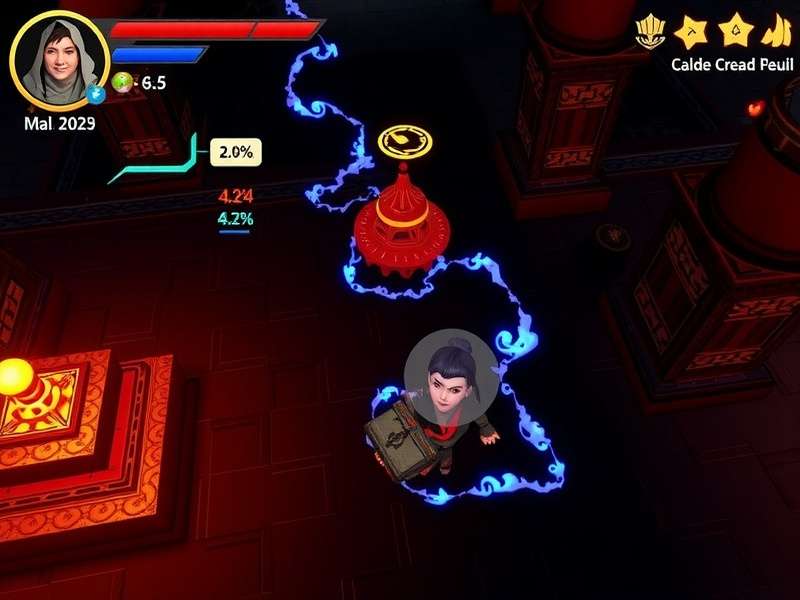
Survival is a key aspect of Phantom Dwellers Delhi. Resources such as healing items (including traditional Ayurvedic medicines like tulsi and ashwagandha), spiritual artifacts, and ammunition for Aarav's limited modern weapons are scarce and must be carefully managed.
The game uses a unique "Spiritual Resonance" system that acts as both a health bar and a resource gauge. As Aarav encounters supernatural entities, his Spiritual Resonance decreases, and if it reaches zero, he becomes vulnerable to possession. Players can restore their Spiritual Resonance by finding sacred items like shivlings, Hanuman idols, or by performing puja at designated temples scattered throughout the city.
The horror elements in the game are designed to be psychological as well as jump-scare based. The game leverages Delhi's dense urban environment to create a sense of claustrophobia and unease, with phantoms often appearing when players least expect them—around corners, through walls, or in the reflections of shop windows.
2.1.2 Combat System
Combat in Phantom Dwellers Delhi is a blend of physical and spiritual combat. Aarav starts with basic traditional weapons like a lathi (wooden stick) and a khukuri (Nepali knife), but as the game progresses, he unlocks more powerful spiritual weapons and abilities.
The game features a skill tree that allows players to customize Aarav's abilities based on their playstyle. The three main skill branches are:
- Warrior Path: Focuses on physical combat, increasing damage with traditional weapons and improving defensive capabilities.
- Spiritual Path: Enhances Aarav's supernatural abilities, allowing him to cast powerful mantras, perform exorcisms, and create protective shields.
- Stealth Path: Improves sneaking abilities, allowing players to avoid combat altogether by hiding in crowds, using environmental cover, or distracting phantoms with sound.
Each phantom type in the game has unique weaknesses that players must exploit. For example, churails (female spirits) are vulnerable to fire and sacred water, while djinns can only be harmed by weapons infused with sandalwood paste. This encourages players to strategize rather than relying on brute force.
2.1.3 Stealth Mechanics
Stealth plays a crucial role in Phantom Dwellers Delhi, especially in the early stages of the game when Aarav's combat abilities are limited. The game's open-world design provides numerous opportunities for stealth, including:
- Hiding in crowded markets and blending in with NPCs
- Using shadows and environmental objects for cover
- Distracting phantoms with loud noises (like knocking over metal cans or using a whistle)
- Climbing onto rooftops to avoid detection
The game features a "Crowd Concealment" mechanic that is unique to Indian urban environments. In crowded areas like Chandni Chowk or Connaught Place, Aarav can blend in with the crowd to avoid being detected by phantoms, who are disoriented by large groups of people.
2.1.4 Puzzle-Solving
Phantom Dwellers Delhi includes a variety of puzzles that are integrated into the game's story and environment. These puzzles draw heavily from Indian culture and history, requiring players to:
- Decode ancient Sanskrit inscriptions
- Arrange puja items in the correct order
- Navigate through mazes based on traditional Indian mandalas
- Solve riddles inspired by Indian mythology
The puzzles are designed to be challenging but not frustrating, with clues often hidden in the environment or provided through dialogue with NPCs. Solving puzzles often rewards players with valuable items, new abilities, or access to previously locked areas.
2.2 Open World Design
The open world of Phantom Dwellers Delhi is a meticulously crafted recreation of Delhi, with both historical accuracy and supernatural elements. The game's developers spent over two years researching and mapping the city, visiting numerous landmarks and neighborhoods to ensure authenticity.
Key locations featured in the game include:
- Chandni Chowk: A chaotic market area with narrow lanes, ancient temples, and haunted havelis. This area is infested with churails and other malevolent spirits.
- Purana Qila: Delhi's oldest fort, which serves as a major story location and the headquarters of the most powerful phantoms.
- Mehrauli Archaeological Park: A sprawling complex of ancient ruins where djinns are said to dwell. This area features numerous puzzles and hidden treasures.
- Connaught Place: A modern commercial district that contrasts sharply with the game's historical areas. This location features urban phantoms and modern horror elements.
- Red Fort: A UNESCO World Heritage Site that serves as a key story location, with secret tunnels and hidden chambers.
🗺️ Authenticity Note: The developers of Phantom Dwellers Delhi worked closely with the Archaeological Survey of India (ASI) to ensure that historical landmarks were represented accurately. Special care was taken to preserve the architectural details of monuments while adding supernatural elements that fit within the game's lore.
The open world is brought to life with dynamic day-night cycles and weather effects that impact gameplay. During the day, the city is bustling with NPCs (non-playable characters) who can provide side quests, information, or trading opportunities. At night, the city becomes more dangerous, with more powerful phantoms appearing and some areas becoming inaccessible due to supernatural phenomena.
NPCs in the game are diverse and realistic, representing Delhi's multicultural population. Players can interact with people from various backgrounds, including street vendors, priests, historians, and locals who have had encounters with the phantoms. These interactions not only provide valuable gameplay benefits but also help to build the game's immersive world.
2.3 Quests and Missions
Phantom Dwellers Delhi features a compelling main story campaign that takes approximately 25-30 hours to complete, along with over 50 side quests and numerous collectibles to find.
The main story is divided into eight chapters, each focusing on a different area of Delhi and a different aspect of the phantom curse. The story is well-written and engaging, with plot twists and character development that keep players invested throughout.
Side quests in the game are varied and meaningful, often exploring different aspects of Delhi's culture and folklore. Examples of side quests include:
- Helping a street vendor retrieve his stolen cart from a group of mischievous bhoots (ghosts)
- Assisting a priest in performing an exorcism on a haunted house in Karol Bagh
- Investigating mysterious disappearances in a modern apartment complex in Gurgaon
- Recovering ancient artifacts from a hidden temple beneath the Delhi Metro
Many side quests have multiple outcomes, allowing players to make choices that affect the game world and the lives of NPCs. These choices can lead to different rewards and even impact the main story in subtle ways.
The game also features numerous collectibles, including:
- Historical documents that provide context about Delhi's past
- Spiritual artifacts that enhance Aarav's abilities
- Photographs of haunted locations
- Recordings of local legends and ghost stories
2.4 Multiplayer Mode
In addition to its single-player campaign, Phantom Dwellers Delhi features a multiplayer mode that allows up to four players to team up and tackle supernatural challenges together. The multiplayer mode includes several game types:
- Exorcism Missions: Players work together to clear haunted locations of phantoms, using coordinated tactics and combining their abilities.
- Survival Mode: Players must survive waves of increasingly powerful phantoms in a variety of locations across Delhi.
- Treasure Hunt: Players compete or cooperate to find hidden treasures in haunted locations, avoiding or fighting phantoms along the way.
The multiplayer mode features its own progression system, allowing players to unlock new weapons, abilities, and cosmetic items. It also includes a ranking system that encourages competitive play while maintaining a fun, accessible experience for casual players.
3. Setting & Lore
Phantom Dwellers Delhi is set in a version of modern-day Delhi where supernatural forces walk among the living, hidden from most people's sight. The game's lore is deeply rooted in Indian mythology, Delhi's rich history, and local urban legends, creating a unique and compelling world that feels both familiar and mysterious.
3.1 The World of Phantom Dwellers Delhi
The game's version of Delhi exists in two overlapping realms: the physical world that humans inhabit, and the spiritual realm where the phantoms dwell. Most people are unaware of the spiritual realm, but certain individuals—like Aarav and his mentor Dr. Malhotra—possess the ability to perceive and interact with both worlds.
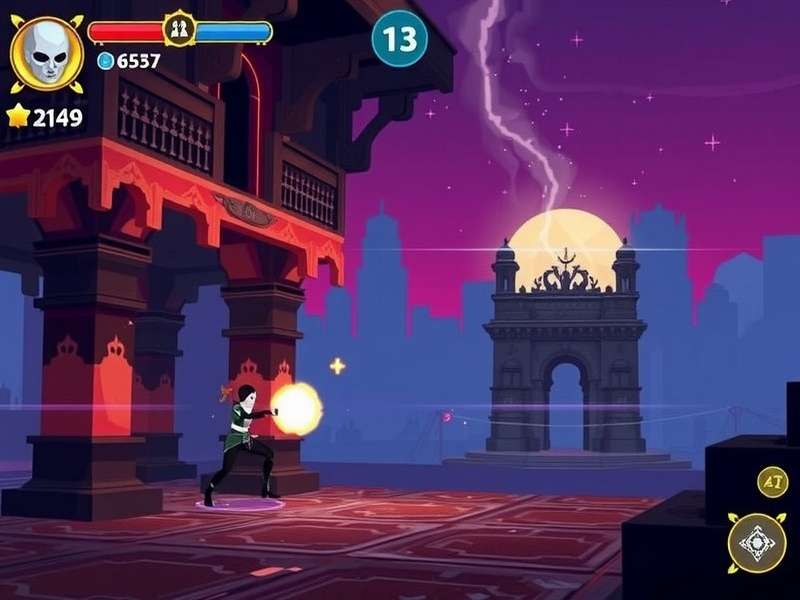
Delhi's long and turbulent history has made it a magnet for supernatural activity. The city has been destroyed and rebuilt seven times, with each iteration leaving behind spiritual residue that has accumulated over centuries. This residue has created "Spiritual Hotspots" throughout the city where the barrier between the physical and spiritual realms is thin, allowing phantoms to cross over into the human world.
The game's world is also influenced by the concept of
3.2 The Phantom Dwellers
The "Phantom Dwellers" of the game's title are not a single type of supernatural entity but a collective term for the various spirits, ghosts, and demons that inhabit Delhi's spiritual realm. Each type of phantom has its own origin, appearance, and abilities, based on different aspects of Indian folklore.
3.2.1 Types of Phantoms
| Phantom Type | Origin | Abilities | Vulnerabilities |
|---|---|---|---|
| Churail | Women who died during childbirth or were betrayed and murdered | Shape-shifting, flight, sonic screams, cursing | Fire, sacred water, mantras dedicated to Durga |
| Djinn | Ancient spirits made of smokeless fire (from Islamic mythology) | Teleportation, invisibility, possession, reality manipulation | Sandalwood, recitations from the Quran, iron |
| Bhoot | Spirits of people who died unnatural deaths | Haunting, poltergeist activity, fear induction | Holy ash, puja offerings, mantras |
| Pishacha | Cannibalistic demons from Hindu mythology | Super strength, regeneration, flesh consumption | Shiva mantras, silver, sunlight |
| Rakshasa | Powerful demonic beings with animalistic features | Shapeshifting, illusion casting, superhuman abilities | Divine weapons, Vishnu mantras, garlic |
| Bhut Pret | Collective term for wandering spirits | Various (depending on individual spirit) | Various (depending on individual spirit) |
Each type of phantom has a distinct appearance that reflects its origin and nature. Churails are depicted as ethereal women with long hair and flowing white sarees, while djinns appear as smoky, humanoid figures with glowing eyes. Bhoots often appear as they did in life but with distorted features, while pishachas and rakshasas have more monstrous, inhuman forms.
3.2.2 The Curse of Delhi
The central conflict of Phantom Dwellers Delhi revolves around the "Curse of Delhi," an ancient supernatural affliction that has plagued the city for centuries. According to the game's lore, the curse was placed on Delhi by a powerful yogi named Gorakhnath in the 12th century after he witnessed the destruction of a sacred temple by invading forces.
Gorakhnath's curse decreed that Delhi would be haunted by the spirits of all those who died unjustly within its borders, and that these spirits would grow stronger whenever the city was divided by conflict or corruption. Over the centuries, the curse has been exacerbated by Delhi's violent history—including invasions, wars, riots, and political upheaval—with each tragic event adding more powerful spirits to the phantom population.
In recent years, the curse has grown stronger than ever due to rapid urbanization, environmental degradation, and the loss of traditional spiritual practices that once kept the phantoms in check. This has caused the barrier between the physical and spiritual realms to weaken, allowing more phantoms to cross over and terrorize the city's inhabitants.
3.3 The Main Story
The story of Phantom Dwellers Delhi begins with Aarav Mehra, a young archaeologist specializing in ancient Indian civilizations, receiving a distress call from his mentor, Dr. Rajiv Malhotra. Dr. Malhotra has been researching the Curse of Delhi and has discovered a way to break it, but he has gone missing while investigating a series of supernatural incidents in Old Delhi.
Aarav returns to Delhi from his studies abroad and immediately begins searching for his mentor. His search leads him to the narrow lanes of Chandni Chowk, where he has his first encounter with a phantom—a churail that has been terrorizing local residents. During this encounter, Aarav discovers that he possesses a rare spiritual ability inherited from his mother, allowing him to see and interact with phantoms.
As Aarav continues his search, he meets a cast of memorable characters who help him on his journey:
- Swami Vivekānanda: A wise old priest who possesses extensive knowledge of Delhi's spiritual history and helps Aarav understand his abilities.
- Zara Khan: A journalist investigating supernatural phenomena in Delhi who becomes Aarav's ally and love interest.
- Rajesh "Raju" Sharma: A street-smart rickshaw driver who knows Delhi like the back of his hand and provides transportation and information.
- Dr. Priya Iyer: A parapsychologist who has been studying the Curse of Delhi independently and shares her research with Aarav.
As the story progresses, Aarav uncovers Dr. Malhotra's research and learns that the Curse of Delhi is about to reach a critical point that could result in the spiritual realm merging permanently with the physical world, plunging Delhi into eternal darkness.
📜 Story Highlight: The game's narrative explores deeper themes of cultural preservation, the consequences of progress without respect for tradition, and the importance of balancing modernity with spirituality—issues that resonate strongly with contemporary Indian society.
The middle chapters of the game see Aarav traveling to various locations across Delhi, collecting ancient artifacts, performing spiritual rituals, and battling increasingly powerful phantoms. He learns that breaking the curse requires finding and activating five sacred sites throughout the city, each corresponding to one of the five elements (earth, water, fire, air, and ether) in Hindu philosophy.
In the game's climax, Aarav discovers that Dr. Malhotra has not been kidnapped but has instead been possessed by the spirit of Gorakhnath himself. Gorakhnath explains that he never intended for his curse to destroy Delhi permanently—he only wanted to punish those who would desecrate the city's sacred sites and cultural heritage. Over the centuries, however, his spirit has been corrupted by the growing darkness in the city, and he has lost control of the curse.
Aarav must then face off against Gorakhnath in a epic battle that takes place in both the physical and spiritual realms. The outcome of this battle depends on the choices the player has made throughout the game:
- Light Ending: If Aarav has maintained his spiritual purity by helping others and respecting tradition, he can purify Gorakhnath's spirit and break the curse without destroying the spiritual realm. This ending sees Delhi's spiritual balance restored, with phantoms returning to their realm but still able to be perceived by those with the gift.
- Dark Ending: If Aarav has embraced darkness by using excessive violence and ignoring the needs of others, he must destroy Gorakhnath's spirit to break the curse. This ending results in the spiritual realm being severed from Delhi permanently, but at the cost of losing all spiritual connection and creating a city devoid of magic and wonder.
- Balanced Ending: If Aarav has balanced light and dark choices, he can reach a compromise with Gorakhnath, creating a new spiritual balance where phantoms and humans can coexist peacefully. This is considered the "true" ending of the game.
Each ending provides a different perspective on the relationship between tradition and modernity, and the role of spirituality in contemporary life—encouraging players to reflect on these themes long after finishing the game.
4. Development
The development of Phantom Dwellers Delhi was a ambitious project that took over four years to complete, involving a team of over 150 developers, artists, writers, and cultural consultants. The game was developed by Daman Games Studios, a subsidiary of Daman Games, one of India's fastest-growing gaming companies.
4.1 Concept and Inspiration
The idea for Phantom Dwellers Delhi originated in 2018 when the game's creative director, Rakesh Kumar, visited Old Delhi during Diwali. Struck by the contrast between the city's ancient architecture and modern chaos, and fascinated by the numerous ghost stories associated with Delhi's historical sites, Kumar began developing the concept for a horror game that would showcase Delhi's unique character.
In an interview with Gaming India Magazine, Kumar explained: "Delhi is such a fascinating city—every street has a story, every building has a history. We wanted to create a game that would let players explore this amazing city while experiencing the horror and mystery that comes from its thousands of years of history. We wanted to make a game that feels authentically Indian, not just a Western horror game with Indian aesthetics tacked on."
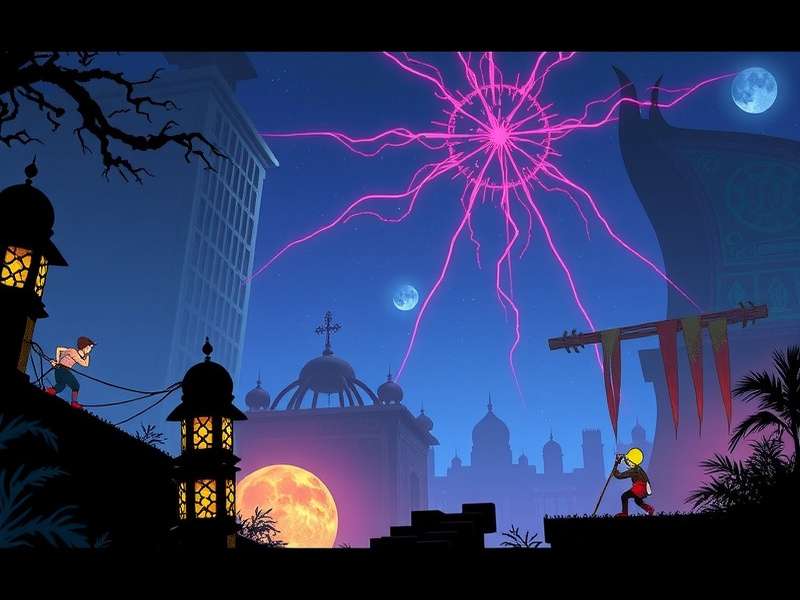
The development team drew inspiration from a variety of sources, including:
- Indian mythology and folklore (including the Ramayana, Mahabharata, and various regional ghost stories)
- Delhi's historical events and urban legends
- Classic horror games like Resident Evil, Silent Hill, and Amnesia
- Indian horror films such as Raaz, Bhool Bhulaiyaa, and Tumbbad
- Documentaries and books about Delhi's history and supernatural phenomena
A key goal for the development team was to avoid cultural appropriation and stereotypes. To achieve this, they hired a team of cultural consultants, including historians, religious scholars, and folklore experts, who advised on various aspects of the game to ensure authenticity and respect for Indian culture.
4.2 Technical Development
Phantom Dwellers Delhi was developed using the Unreal Engine 5, making it one of the first Indian games to use this cutting-edge game engine. The use of Unreal Engine 5 allowed the development team to create highly detailed environments, realistic character models, and advanced lighting effects that bring Delhi's streets to life.
The game's open world presented significant technical challenges, as recreating a major city like Delhi with historical accuracy required enormous amounts of data and processing power. The development team used a combination of photogrammetry, 3D scanning, and traditional modeling to create the game's environments, scanning over 100 real locations in Delhi to ensure authenticity.
Another major technical challenge was creating the game's supernatural elements. The team developed a proprietary "Spiritual Rendering" system that allows phantoms to appear translucent and otherworldly while still interacting realistically with the physical environment. This system also creates dynamic visual effects that change based on the time of day, weather, and player's spiritual state.
The game's sound design was another area of focus, with the development team recording over 10,000 audio samples in Delhi to create an authentic soundscape. These samples include everything from the honking of rickshaws and the chatter of market crowds to the sounds of temple bells and prayer chants. The game's original soundtrack was composed by A.R. Rahman's protégé, Anirudh Ravichander, who blended traditional Indian instruments with modern electronic music to create a unique and atmospheric score.
4.3 Cultural Sensitivity and Authenticity
Given the game's focus on Indian culture and spirituality, the development team placed a strong emphasis on cultural sensitivity and authenticity. They worked with religious leaders from various faiths (Hinduism, Islam, Sikhism, Christianity, and Jainism) to ensure that religious elements were portrayed respectfully and accurately.
One example of this commitment to authenticity is the game's portrayal of puja (worship) ceremonies. The development team consulted with Hindu priests to ensure that the rituals depicted in the game are performed correctly, with the right mantras, offerings, and gestures. Similarly, the game's portrayal of Islamic prayer and Sikh religious practices was reviewed by scholars and community leaders to ensure accuracy.
🤝 Cultural Collaboration: The development team partnered with the Delhi Tourism and Transportation Development Corporation (DTTDC) to ensure that the game's representation of Delhi's landmarks and cultural sites was accurate and respectful. This collaboration also helped promote Delhi's cultural heritage to a global audience.
The game also features a diverse cast of characters representing Delhi's multicultural population, with voice actors from various regions of India to ensure authentic accents and dialects. The dialogue includes a mix of Hindi, English, and regional languages (with subtitles available), reflecting the linguistic diversity of Delhi.
To avoid reinforcing harmful stereotypes about Indian culture, the development team made a conscious effort to portray modern Indian life alongside traditional elements. The game includes depictions of contemporary Delhi, including shopping malls, metro stations, and modern apartment complexes, as well as historical areas, showing the city's evolution while respecting its roots.
4.4 Marketing and Promotion
The marketing campaign for Phantom Dwellers Delhi was innovative and culturally targeted, focusing on both traditional and digital marketing channels to reach Indian gamers.
Key marketing initiatives included:
- A teaser trailer released on YouTube during Diwali 2022, which received over 10 million views in 24 hours
- Pop-up events in major Indian cities (Delhi, Mumbai, Bangalore, Kolkata) where gamers could try the game
- Collaborations with popular Indian YouTubers and streamers, including CarryMinati, Mortal, and Techno Gamerz
- Billboard advertising in Delhi's major landmarks, including Connaught Place and India Gate
- Social media campaigns highlighting the game's authentic Indian elements and cultural significance
- A mobile pre-registration campaign that offered exclusive in-game items for early sign-ups
The marketing campaign emphasized the game's status as a "proudly Indian" product, highlighting its cultural authenticity and technical achievements. This resonated strongly with Indian gamers who have long sought high-quality games that reflect their own culture and experiences.
5. Release
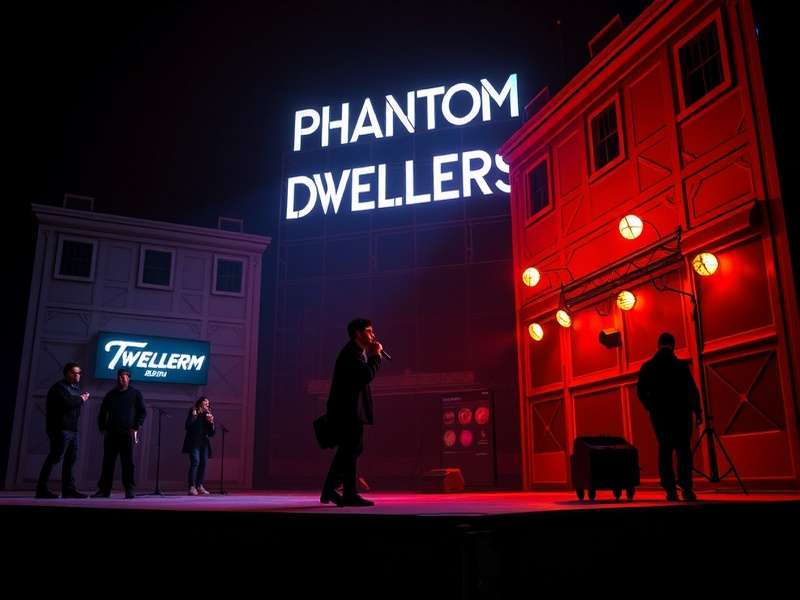
Phantom Dwellers Delhi was released on 15 March 2024, coinciding with the Hindu festival of Holi, a decision that was intentional to tap into the festive spirit and cultural significance of the occasion. The game was released simultaneously on multiple platforms, making it accessible to a wide audience of gamers across India and around the world.
5.1 Platforms
The game was released on the following platforms:
- PC: Steam, Epic Games Store, and Daman Games Launcher
- PlayStation 5: PlayStation Store
- Xbox Series X/S: Microsoft Store
- Mobile: Google Play Store and Apple App Store (optimized for high-end smartphones)
The mobile version of the game was a significant achievement, as open-world horror games of this scale are rarely seen on mobile devices. The development team optimized the game specifically for mobile hardware, reducing file size while maintaining the core gameplay experience and visual quality.
5.2 Editions
Phantom Dwellers Delhi was released in three editions to cater to different types of gamers:
- Standard Edition: Includes the base game and a digital art book. Priced at ₹999 for PC/console and ₹499 for mobile.
- Deluxe Edition: Includes the base game, digital art book, soundtrack, and exclusive in-game items (weapons, costumes, and spiritual artifacts). Priced at ₹1,499 for PC/console and ₹799 for mobile.
- Collector's Edition: Includes all Deluxe Edition content plus a physical copy of the game, a figurine of Aarav, a map of haunted Delhi, and a set of spiritual artifacts replicas. Limited to 5,000 copies, priced at ₹4,999.
The Collector's Edition sold out within 48 hours of pre-orders opening, demonstrating strong demand for premium physical gaming products in India.
5.3 Post-Release Support
Daman Games has committed to supporting Phantom Dwellers Delhi with regular updates and downloadable content (DLC) for at least two years after release. The post-release support plan includes:
- Free updates with bug fixes, performance improvements, and quality-of-life changes
- Three major DLC expansions, each adding new areas, story content, and gameplay features
- Seasonal events tied to Indian festivals (Diwali, Navratri, Holi) with exclusive in-game content
- Community-driven updates based on player feedback
The first DLC expansion, titled "Phantom Dwellers Delhi: The Black Fort," was released in July 2024, adding the historic Qila Rai Pithora area to the game and continuing the story with a new chapter. The expansion received positive reviews, with critics praising its new gameplay mechanics and continuation of the game's compelling narrative.
The development team has also been active in engaging with the game's community through social media, forums, and live streams, gathering feedback and addressing player concerns. This community engagement has helped build a loyal fan base and has contributed to the game's ongoing success.
5.4 Regional Localization
While the base game is available in English and Hindi, Daman Games has announced plans to localize Phantom Dwellers Delhi into several other regional Indian languages, including Tamil, Telugu, Bengali, Punjabi, and Kannada. This localization effort includes not just text translation but also voice acting by regional actors, ensuring that the game feels authentic to players across India.
The regional localization is being rolled out in phases, with Tamil and Telugu versions released in June 2024, and other languages scheduled for release throughout 2024 and 2025. This commitment to regional localization reflects the game's focus on accessibility and cultural inclusivity.
6. Reception
Phantom Dwellers Delhi has received widespread critical acclaim and commercial success since its release, establishing itself as one of the most successful Indian video games of all time. The game has been praised for its authentic cultural representation, engaging gameplay, compelling story, and technical achievements.
6.1 Critical Response
The game has received positive reviews from both Indian and international gaming publications. On Metacritic, the PC version holds a score of 87/100, while the console versions have scores of 85/100 and 84/100 for PlayStation 5 and Xbox Series X/S respectively. The mobile version has a score of 4.8/5 on the Google Play Store and 4.7/5 on the Apple App Store.
Key points of praise from critics include:
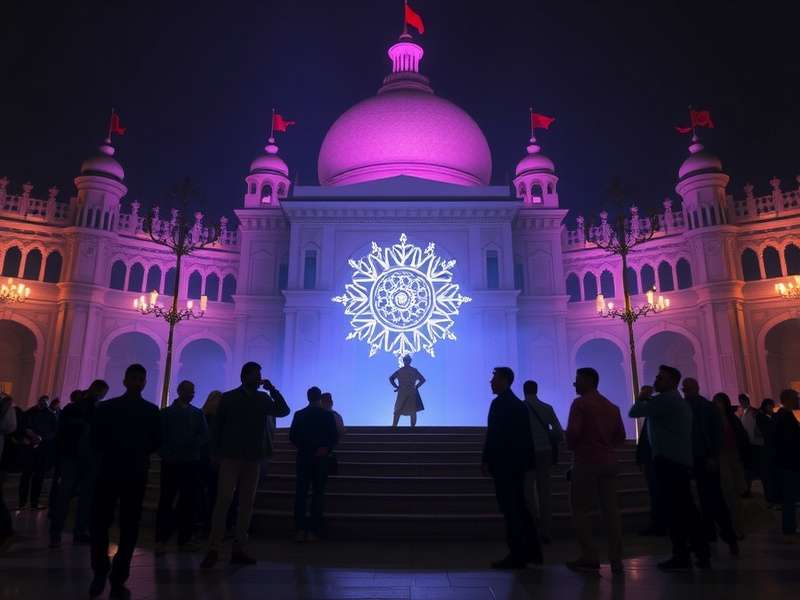
- The authentic representation of Delhi and Indian culture, with many reviewers noting that it offers a refreshing alternative to the Western-centric settings of most horror games.
- The compelling story and well-developed characters, with critics praising the game's exploration of themes like cultural preservation and spiritual balance.
- The atmospheric world design, with many reviewers highlighting the detailed recreation of Delhi's landmarks and the effective use of lighting and sound to create a sense of horror and wonder.
- The innovative gameplay mechanics, particularly the blend of traditional and spiritual combat and the unique stealth elements tailored to Indian urban environments.
- The technical achievements, including the stunning graphics, smooth performance, and high-quality sound design.
Indian gaming publication GamingBolt awarded the game a score of 9/10, stating: "Phantom Dwellers Delhi is not just a great Indian game—it's a great game, period. It successfully combines authentic cultural elements with top-tier gameplay and technical polish, setting a new standard for Indian game development."
International publication IGN gave the game an 8.7/10, praising its "fascinating setting and cultural authenticity" while noting that "even players unfamiliar with Indian culture will find much to enjoy in this well-crafted horror experience."
Criticisms of the game were relatively minor, with some reviewers noting occasional frame rate drops in the open world (particularly on console versions) and others feeling that certain puzzles were overly complex. However, these issues were generally considered insignificant compared to the game's overall quality.
6.2 Commercial Performance
Phantom Dwellers Delhi has been a commercial success, exceeding the expectations of both the developers and the gaming industry. The game sold over 150,000 copies in its first week of release, making it the fastest-selling Indian video game of all time.
Key sales milestones include:
- 150,000 copies sold in the first week
- 500,000 copies sold by the end of the first month
- 1 million copies sold by June 2024 (three months after release)
- Mobile version downloaded over 5 million times
- Revenue exceeding ₹50 crore (approximately $6 million) in the first six months
The game's success has been particularly notable in India, where it has outsold many international titles on digital storefronts. It has also performed well in other South Asian countries, including Pakistan, Bangladesh, and Nepal, where the cultural themes and setting resonate with local audiences.
Internationally, the game has found a niche audience among gamers interested in cultural experiences and horror games with unique settings. It has performed particularly well in North America and Europe, where it has received positive word-of-mouth recommendations from gaming influencers and cultural commentators.
6.3 Awards and Nominations
Phantom Dwellers Delhi has been nominated for numerous gaming awards, recognizing its achievements in various categories:
- Nominated for "Best Action Game" at the 2024 Game Awards
- Nominated for "Best Narrative" at the 2024 Indian Gaming Awards
- Won "Best Indian Game" at the 2024 Indian Gaming Awards
- Won "Best Horror Game" at the 2024 Asia Pacific Gaming Awards
- Nominated for "Most Innovative Gameplay" at the 2024 Global Game Awards
- Won "Best Sound Design" at the 2024 Indian Gaming Awards
- Nominated for "Best Art Direction" at the 2024 Game Developers Choice Awards
These nominations and awards reflect the game's recognition not just within the Indian gaming industry but also on the global stage, highlighting the growing influence of Indian game development.
7. Cultural Impact
Beyond its commercial and critical success, Phantom Dwellers Delhi has had a significant cultural impact in India and beyond, helping to elevate the status of Indian game development and promoting Indian culture to a global audience.
7.1 Impact on Indian Game Development
Phantom Dwellers Delhi has been a game-changer for the Indian gaming industry, proving that games rooted in Indian culture can achieve both critical acclaim and commercial success. Prior to its release, many Indian game developers focused on casual mobile games or adapted Western formulas, believing that games with Indian themes would not appeal to a wide audience.
The success of Phantom Dwellers Delhi has challenged this perception, inspiring a new wave of Indian game developers to create games that draw on Indian culture, mythology, and settings. Since the game's release, numerous Indian game studios have announced projects with similar cultural focuses, ranging from historical action games to fantasy RPGs based on Indian mythology.

The game has also helped to attract investment in the Indian gaming industry, with both domestic and international investors recognizing the potential of Indian-themed games. Daman Games itself has announced plans to invest ₹100 crore (approximately $12 million) in developing new games based on Indian culture and mythology.
Additionally, Phantom Dwellers Delhi has helped to raise the profile of Indian game development talent, with many members of the development team receiving international recognition for their work. This has led to increased opportunities for Indian game developers both within India and abroad.
7.2 Promotion of Indian Culture
One of the most significant cultural impacts of Phantom Dwellers Delhi has been its role in promoting Indian culture, history, and mythology to a global audience. The game's detailed recreation of Delhi's landmarks and its incorporation of Indian folklore and spiritual practices have introduced many international gamers to aspects of Indian culture they might not have otherwise encountered.
Many players have reported that the game inspired them to learn more about Indian history and mythology, with some even planning trips to Delhi to visit the landmarks featured in the game. The Delhi Tourism Board has acknowledged the game's impact, noting a significant increase in inquiries about historical sites featured in the game following its release.
The game has also sparked discussions about the preservation of India's cultural heritage, with many players noting the game's themes of balancing modernity with tradition. This has contributed to broader conversations in India about the importance of protecting historical sites and cultural practices in the face of rapid development.
🌍 Cultural Exchange: Phantom Dwellers Delhi has become a cultural exchange tool, allowing international players to experience Indian culture in an interactive and engaging way while giving Indian players a sense of pride in seeing their culture represented in a high-quality video game.
7.3 Community and Fandom
Phantom Dwellers Delhi has developed a passionate and active fan community, both in India and around the world. The game's community has created a wealth of fan content, including fan art, cosplay, fan fiction, and YouTube videos analyzing the game's lore and gameplay.
In India, the game has become a cultural phenomenon among young people, with references to the game appearing in social media memes, college events, and even mainstream media. The game's characters and phantoms have become popular subjects for cosplay at gaming conventions across India, with many fans creating elaborate costumes based on Aarav, the churails, and other characters.
The game's community has also organized numerous fan events, including:
- Game nights and tournaments in major Indian cities
- Meetups at Delhi landmarks featured in the game
- Online fan conventions with panels featuring the development team
- Charity streams benefiting historical preservation efforts in Delhi
Daman Games has actively supported the fan community, featuring fan content on its social media channels, hosting official events, and even incorporating fan suggestions into game updates. This engagement has helped to build a loyal fan base that continues to support the game long after its release.
7.4 Educational Value
Beyond its entertainment value, Phantom Dwellers Delhi has also been recognized for its educational potential. The game's detailed recreation of Delhi's history